
Experts in medical device software and medical embedded systems



At Bermondsey Electronics, we prioritise the safety of patients and operators above all else. In the development of ISO 13485 medical devices and IEC/ISO 62304 medical device software, ensuring the highest standards of safety and quality control is paramount.
Our team is dedicated to adhering to the stringent regulations set forth by both the EU and US governing bodies for medical device verification and testing.
The medical industry follows several ISO standards; these standards aim to contribute to the overall performance and reputation of medical companies, making them more attractive to customers, investors, and stakeholders while promoting a culture of excellence and responsibility.
Ensuring compliance within our medical device verification testing and development of medical embedded systems is paramount to our success, as it directly impacts product quality and safety. By adhering to the international standards, we ensure that the medical verification services we provide work to reduce any risks and protect all sensitive information. This helps to streamline our processes by reducing errors and inefficiencies, leading to improved client satisfaction.
A strong reputation for compliance can also boost a company’s value, attracting clients and investors who value ethical and efficient business practices.
From initial concept to final implementation, every step of our medical device verification testing process is carefully monitored and validated to mitigate risks and ensure compliance.
We utilise state-of-the-art technology and best practices to conduct thorough quality control checks, including rigorous medical device validation procedures.

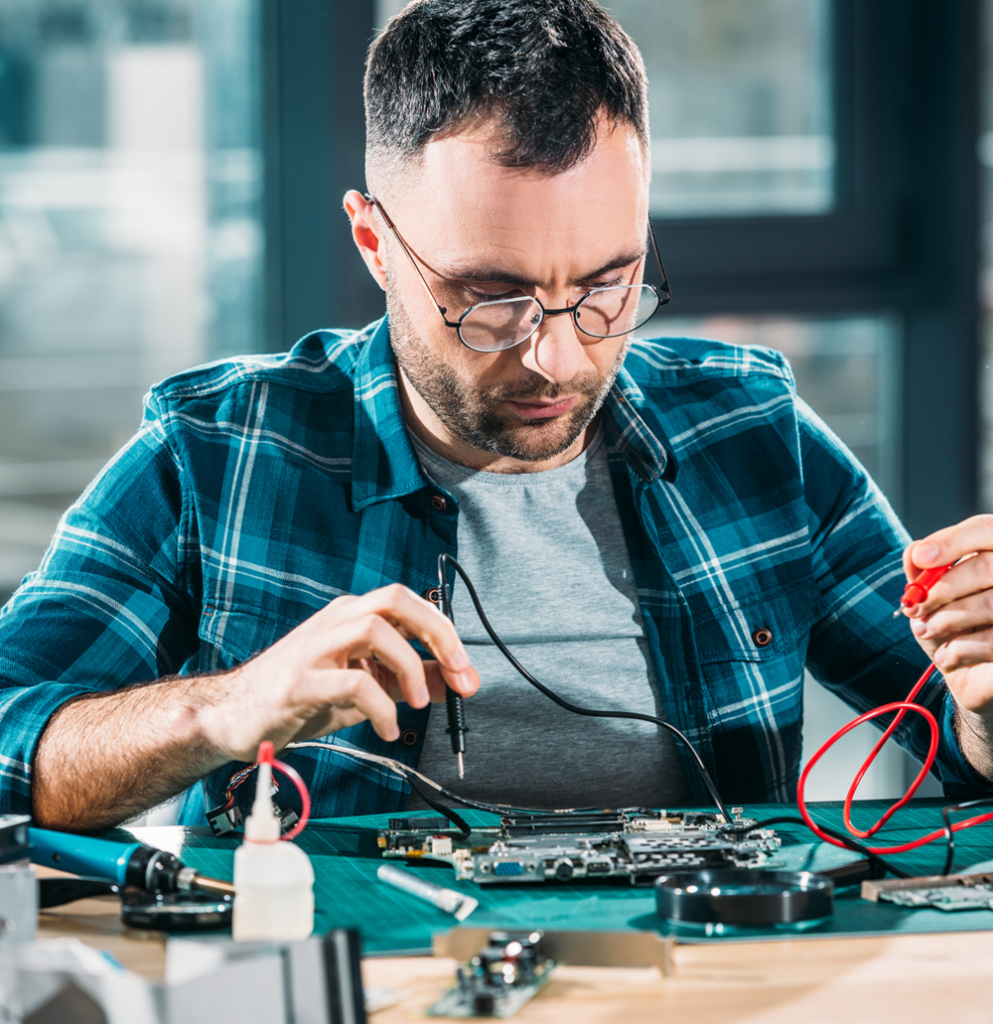
There are multiple ISO standards to adhere when undertaking medical device testing to ensure that the testing is compliant with testing practice and standards. The ISO standards for medical device verification testing are as follows:

Delivering secure data transfer for a medical treatment device
This customer required communication with their device in the field to validate their business model. There was a competing requirement to have as small a cybersecurity attack surface as possible, due to stringent new security requirements. The interface posed several challenges that required careful medical device verification.
Medical Device Verification
We implemented QR code scanning end to end to facilitate the business model. This makes the attack surface as small as possible and prevents malicious reprogramming in the field. We used secure cryptography to ensure the data remains secure in transit. We can verify algorithm performance on the desktop and in challenging lighting conditions.
Furthermore, we optimised the code to keep scan times low and accuracy high. Our efforts enabled the medical device to communicate its data securely.
Presenting muscle injury data in a usable format
Our customer wanted to filter muscle injury data collected from the body. We wrote filters to present the data inside the fitness app. This offloads the processing from the insecure domain (an app, easily reverse engineered) to the secure domain (the customer product, protected by ARM secure boot technology). Presenting the data in a usable format required a lot of maths to a tight deadline.
Muscle injury data
We leveraged Zephyr OS to bring up the platform quickly. We had Bluetooth running in under two weeks. We used our in house testing and development tools to measure performance. Zephyr offers both secure boot and secure OTA update. We leveraged both. We added a module to take advantage of ARM’s optimised assembly routines for the maths. We delivered a verified prototype in under 6 weeks.

This video showcases a project. This device uses UVC to treat infections. We brought up the operating system on this product and wrote the application running on it. A secondary processor manages power states. The goal of the project is to eliminate the use of drugs in treating infections.
Drugs can be hit-and-miss depending on the infection, whereas UVC guarantees to eliminate all forms of infection on the target over a single course of treatment. The single course of treatment is faster than drugs and lowers the risk of drug-resistant infections developing over time. We are very proud to have been involved in this project.
Don’t take our word for it, these are kind words from our customers
Medical device verification testing is a process of quality control that outlines whether your medical device design meets the original specifications that were laid out in the product development specification (PDS) brief. When you verify your medical device design, you will typically be asked to look over the design documents, carry out intricate inspections, and perform bench testing.
Embedded systems in medical devices are critical for reliable, real-time operation of diagnostic, therapeutic, and monitoring equipment. Developing robust medical device software for these systems ensures devices operate safely, efficiently, and in compliance with regulatory standards, while enabling advanced features like AI-assisted diagnostics and secure data transfer.
At Bermondsey Electronics, we follow strict medical device verification testing processes for all medical embedded systems and software. By adhering to international standards such as IEC 62304, ISO 13485, and ISO 14971, we ensure devices are safe, reliable, and fully compliant for both EU and US markets.
For clients requiring full product development support alongside embedded expertise, our sister company 3Point1 provides dedicated medical device product design services covering hardware, firmware and regulatory compliance.
If you have questions about how we can help your business please complete the form below and we will be in touch shortly.
Alternatively, please call us on +44 (0)208 137 9239
Email : [email protected]